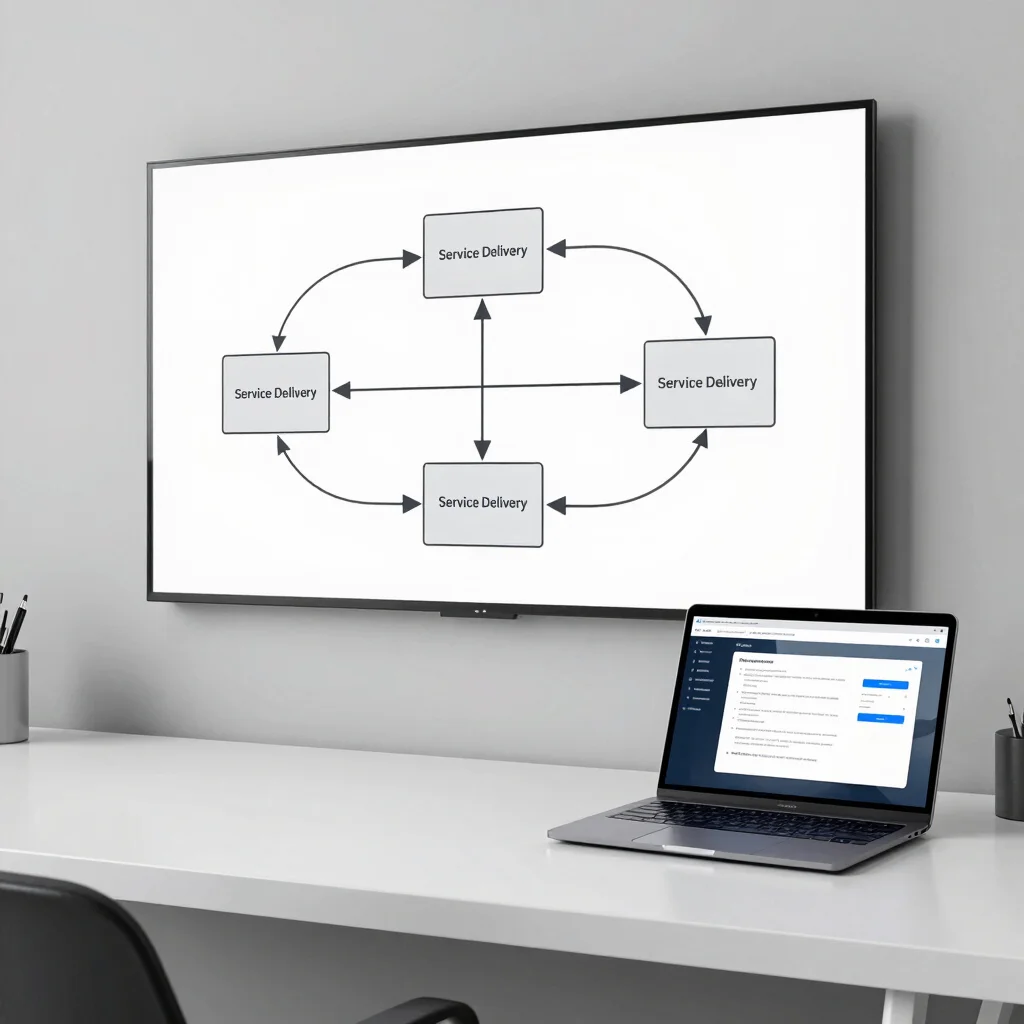
A team needs a test environment, but the request sits in a queue while the platform group works through its backlog. The new platform was supposed to make delivery easier; instead, it has become another dependency to negotiate. For a CTO, that gap between intention and everyday experience is the real measure of platform work.
Find the recurring friction
Start by tracing the work engineers repeat: provisioning a service, setting up a deployment pipeline, finding an approved data store, or learning how to respond to an alert. The goal is not to centralize every technical choice. It is to identify repeated effort or risk that teams would willingly trade for a well-supported path.
Talk to teams at the point where work stalls, and distinguish a platform problem from a policy or ownership problem. A confusing template may be a product issue; a slow approval may require a decision about risk and authority. Building a portal around the second problem will make the process look tidier without making it faster.
Treat the platform as a product
A platform has users, adoption choices, support needs, and a lifecycle. Give its team time to understand the developer journey, document a clear paved path, and respond when the path does not fit a legitimate use case. A self-service interface is not truly self-service if engineers still need private messages to discover how it works.
Be deliberate about what is standardized. A shared deployment workflow may reduce repetitive setup, while a mandatory framework can constrain teams whose services have different needs. The platform should make the common case easier without quietly turning every exception into a permission request.
Measure time returned to teams
Look beyond the number of platform features shipped. Ask whether teams can complete common tasks with fewer handoffs, whether they understand the supported path, and whether platform staff are resolving the same avoidable requests less often. Pair these observations with direct feedback; usage alone cannot show whether engineers find the tool helpful or simply have no alternative.
A successful platform earns trust by removing work that teams do not need to repeat. Before approving another capability, ask which delay or burden it will remove and for whom. If the answer is unclear, spend time with the teams using the current path before adding a new one.